Star Citizen Mining Guide
Mining is one of Star Citizen’s calmer money loops once you stop trying to brute-force it. This guide shows a new pilot how to pick a ship, find rocks worth touching, crack them without panic, and decide when to refine or sell.
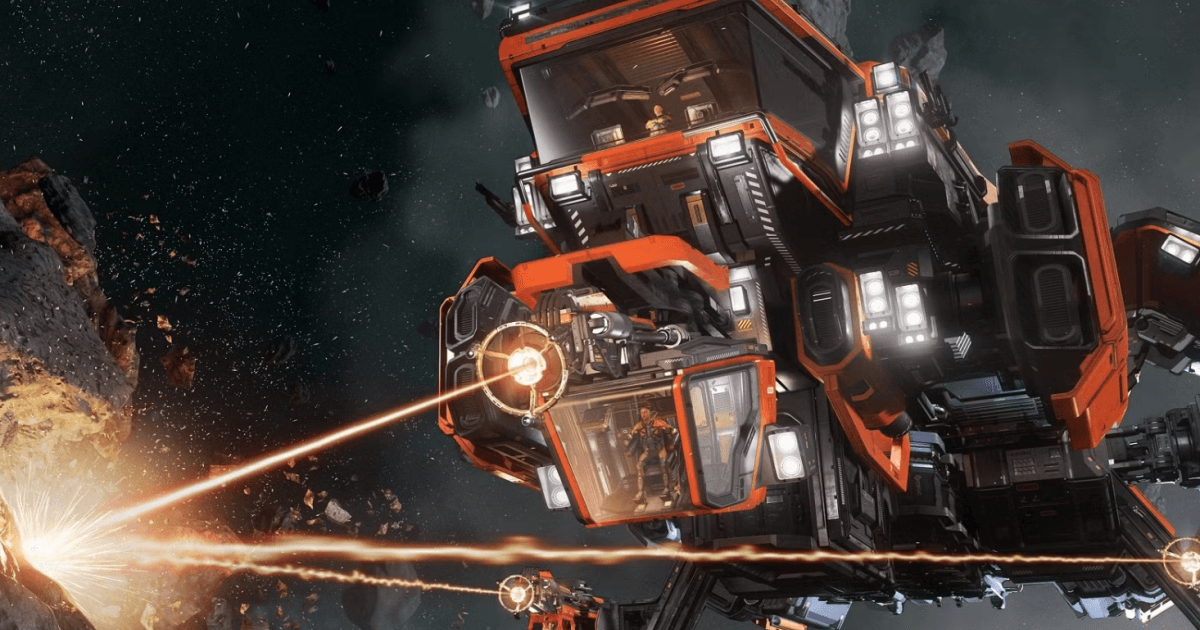
Hero image: crew mining in an asteroid field. Good mining starts with ship control, not luck.
Best beginner path
Start solo with a Prospector-style loop, then move up to a Mole when you have a friend or want more cargo and more lasers.
What matters most
Stable power control. If you can keep the charge in the safe zone, the rest of the loop becomes much easier.
What to avoid
Big rocks that are obviously too much ship for your current setup, overfilling cargo, and trying to refine every batch the same way.
Mine for repeatability, not bragging rights.
The first mining run should teach you a loop you can do again tomorrow. Pick a ship you can actually manage, work on small stable deposits, and leave the giant signature alone if it starts feeling like a fight. Mining gets good when it becomes predictable.
Ready to enlist?
Start on the official RSI site
This enlist link includes the referral code for new accounts so the official new-player bonus can attach during signup.
Enlist on RSIReferral disclosure: if you create an RSI account using this referral code, you receive the official new-player bonus, and this site owner may receive referral rewards.
Mining is one of the few Star Citizen loops that rewards patience more than aggression. You are not trying to win a fight. You are trying to keep the ship steady, read the rock, and leave with ore instead of a blown-up hull and a bad mood.
This guide is built for a new pilot who wants a first real money loop without turning the session into a chaos demo. The goal is simple: pick a workable ship, find a rock you can actually handle, break it without overcooking it, and decide what to do with the ore after you collect it.
1. Start with a ship you can manage
The right mining ship is the one that matches your crew, your patience, and your budget. Solo miners usually do best with a smaller setup first. Crews can step up to a bigger ship once someone else is available to help with the laser work and cargo handling.
| Ship | Best for | Why it works |
|---|---|---|
| Prospector | Solo mining | Simple to learn, cheap to commit to, and enough ship for small-to-medium rocks. |
| Mole | Two or three players | More lasers, more cargo, and a better fit when one person should not do everything alone. |
| Any rented miner | Trying the loop first | Good if you want to test mining before you sink money into a permanent upgrade. |
If you are brand new, do not treat the Mole as the default answer. It is stronger as a crew ship than as a solo experiment. A smaller ship that you can confidently fly, park, and recover is usually the better first lesson.
2. Use a loadout that gives you control
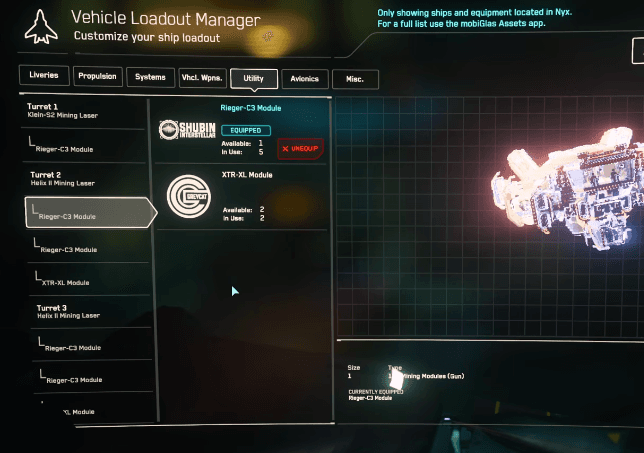
Mining is not just about pointing a beam at a rock. Your laser choice changes how forgiving the ship feels. For a beginner, the useful question is not “what is the absolute strongest laser?” It is “what lets me keep the charge bar where I want it?”
In practical terms, start with a setup that favors control and a wider safe window. Raw power looks impressive, but a laser that is easy to overdrive will punish you faster than a calmer one that gives you room to correct.
- Pick the ship and laser pair that match your current skill level.
- Do not chase perfect math before you have learned basic stability.
- Leave room for mistakes; the first run is about learning the rhythm.
3. Find rocks that are worth your time
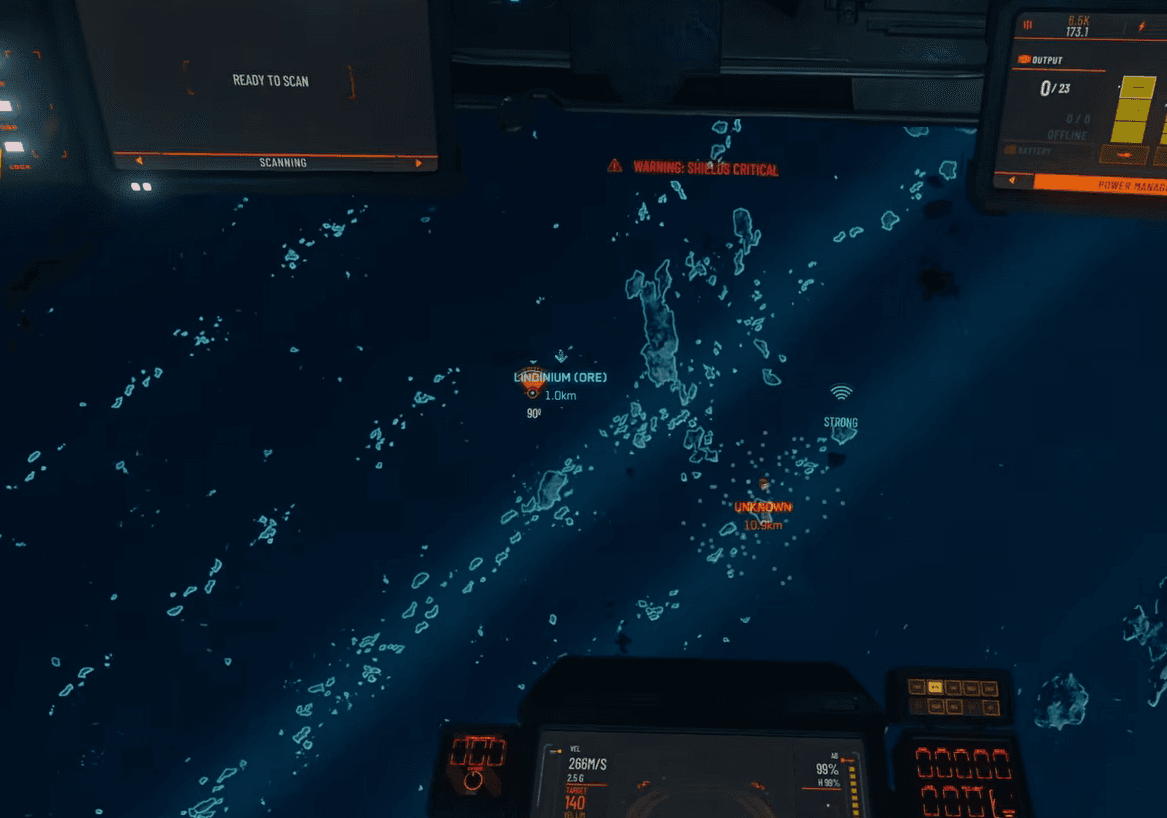
The biggest beginner mistake is assuming the largest rock is the best target. It usually is not. A sensible first target is a rock you can scan, understand, and crack without turning the ship into a slow-motion repair bill.
Use the scanner data as a filter, not as decoration. If a deposit looks too large for your current ship, leave it. If the rock looks unstable and the charge bar already wants to sprint, leave that one too. Mining pays when you are selective.
On your first runs, think in terms of manageable instead of maximum. You are building a routine, not a record.
4. Scan before you commit
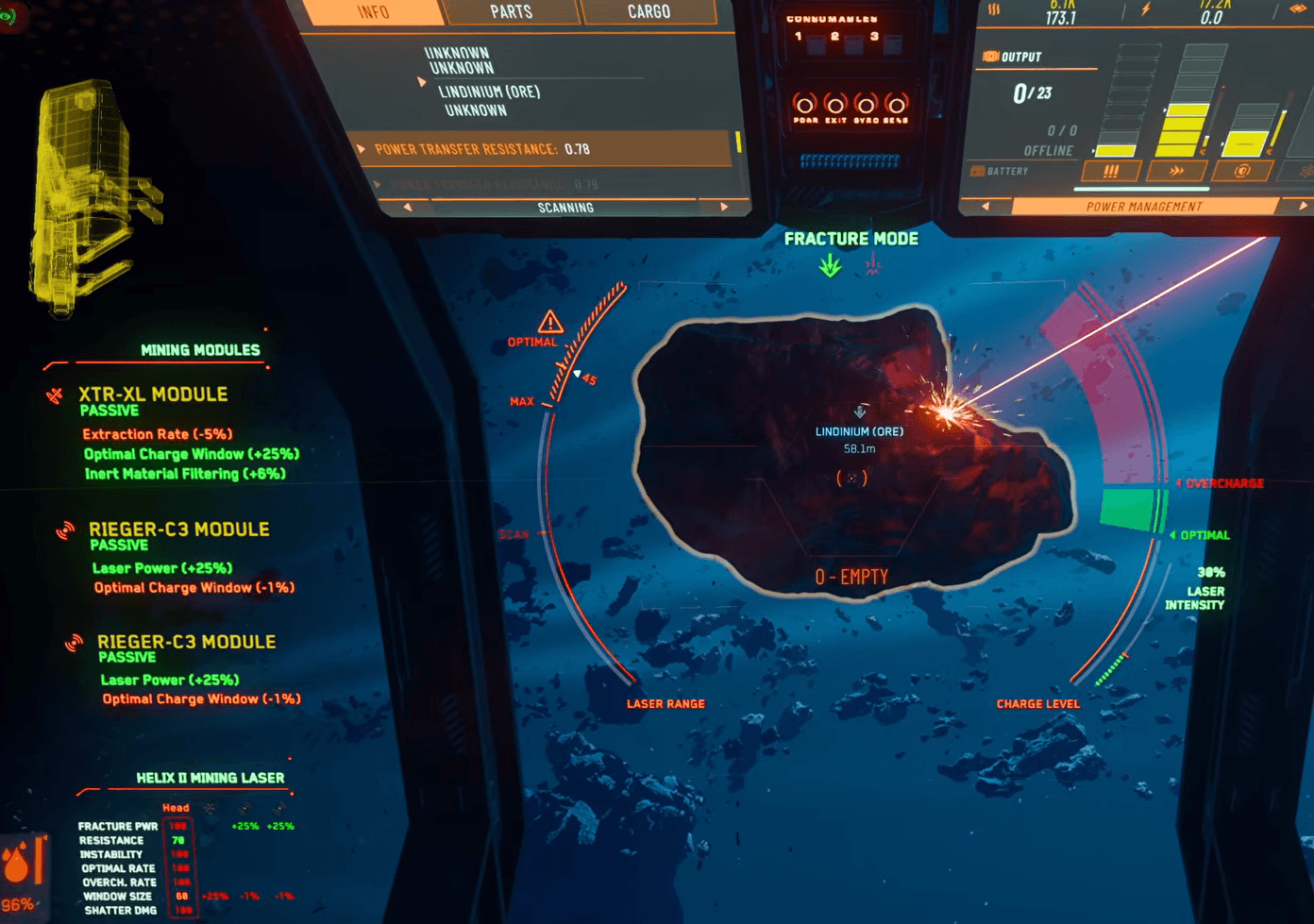
Once you spot a promising target, slow the ship down and confirm the readout. The point of the scan is to stop you from wasting time on the wrong rock. If the data tells you this is not a good fit, believe it and move on.
Positioning matters almost as much as the scan. Keep the ship steady, line up the laser, and avoid drifting around the target like you are trying to impress it. The easier the angle, the easier the whole rest of the loop becomes.
5. Break the rock without panicking
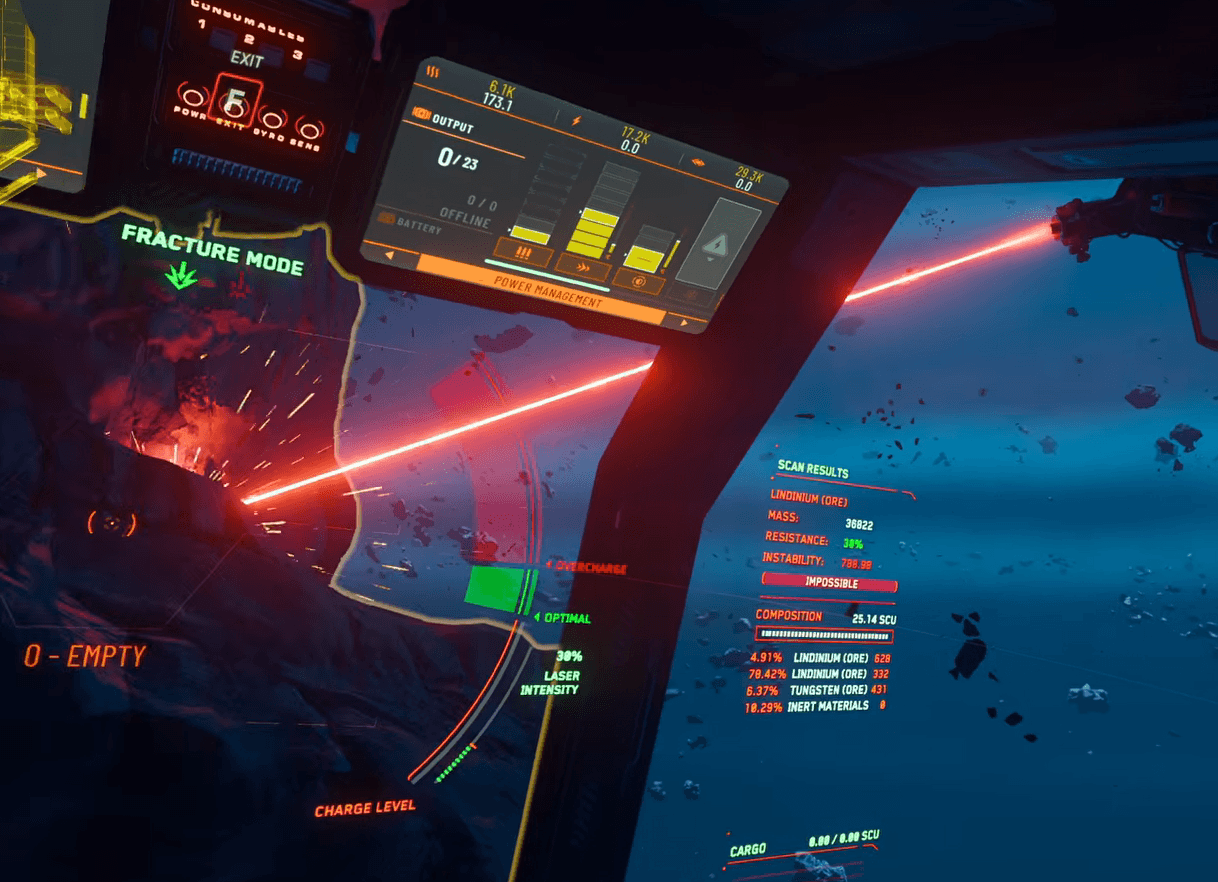
This is the part that actually teaches mining. Power the laser gently, watch the charge bar, and make small corrections. If the charge climbs too fast, back off. If the beam feels too weak, nudge it up. Small steps are better than dramatic swings.
The stable zone is your friend. Once you find it, try to hold it instead of chasing a perfect number. You want the rock to break cleanly, not explosively. If the bar starts racing toward the danger end, stop pretending you can “save it” with a huge correction and reset the power instead.
Fragments usually get more temperamental than the main rock. Treat them like a second pass, not a victory lap. The same gentle control applies, only with less room for error.
6. Collect the ore before the hold fills up
Once the rock is broken, gather the ore and keep an eye on cargo space. A first mining run goes sideways when you stay out too long and fill the hold with stuff you never planned to process. Leave while the run is still under control.
- Collect the ore once the fragments are safe to harvest.
- Do not overpack the hold just because a few extra chunks are nearby.
- Get back to a station or refinery before the trip starts feeling risky.
The cleanest beginner habit is simple: mine a little, return, cash in or refine, and repeat. That keeps the loop short enough that you can learn from it.
7. Refine the good stuff, sell the rest
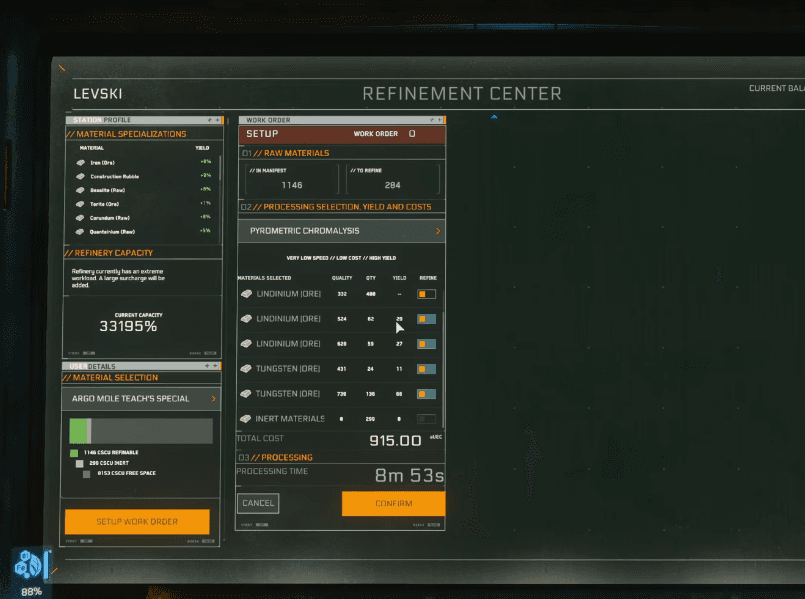
Raw ore is useful, but refined ore usually gives you more value if the batch is worth the wait. That does not mean every pile deserves the same treatment. Low-value leftovers can be sold quickly; better batches are worth refining when you can afford the turnaround time.
Think of refining as the quiet half of mining. The scanning and breaking are the exciting steps, but the refinery is where the loop turns from “I found something” into “I actually made money.”
If you are trying to bankroll a starter ship or a first upgrade, a consistent refinery habit is usually better than chasing one giant run.
8. Common mistakes that waste a first mining session
- Trying to mine the biggest rock in sight instead of the right one.
- Forcing an overpowered laser into a weak target and blowing the timing.
- Ignoring scanner data and hoping the rock will be fine.
- Staying out too long and overfilling the cargo hold.
- Forgetting to refine or sell after the ship is already back at a station.
Most of these mistakes come from rushing. Mining rewards pilots who slow down long enough to read the room, the rock, and the cargo meter.
9. A simple first mining route
If you want a clean first practice loop, keep it short:
- Leave from a station you can get back to easily.
- Scan nearby rocks instead of crossing the whole system.
- Pick one target that looks manageable, not heroic.
- Break it with small adjustments and stop if the bar gets ugly.
- Return, stash or refine the ore, and end the session on purpose.
That loop teaches the whole profession without demanding that you know every mining edge case on day one. Once you can do that without stress, you can start pushing into better rocks, better modules, and eventually a bigger ship.
Where to go next
If you are still setting up the account, use the referral code guide before you finish signup. If you want the calmer setup pages before you head into the asteroid belt, the First Hour Guide and First 10 Hours show the early-game path around the same beginner-first idea.
Make the account the clean way before you head out to mine
If you are still at signup, enter the referral code before the RSI account is finished, then come back here once you have a ship and a place to fly from.
Go to official RSI siteReferral disclosure: if you create an RSI account using this referral code, you receive the official new-player bonus, and this site owner may receive referral rewards.
What this guide drew from
This is an original Verse Pilot rewrite of a public Star Citizen mining guide. We used the source article to verify the mining loop, ship roles, scanning, rock-breaking, and refining flow, then rewrote the advice, pacing, and examples from scratch.
- MMOPixel — Star Citizen 4.7 Complete Mining Guide (Dawer Iqbal, April 6, 2026)
Originally published April 6, 2026
- Roberts Space Industries — home and account entry point
Media credits
- Screenshots are sourced from the public MMOPixel mining guide and used here for editorial commentary and beginner onboarding context.
- Images are not official RSI material; they are used to show the mining loop step by step.
FAQ