Star Citizen Cargo Grid Guide: how to load ships without fighting the hold
Cargo grids look fussy until you realize they are just the ship’s usable floor plan. Once you can read the hold, loading gets calmer, faster, and much less annoying — which is exactly what a beginner needs.
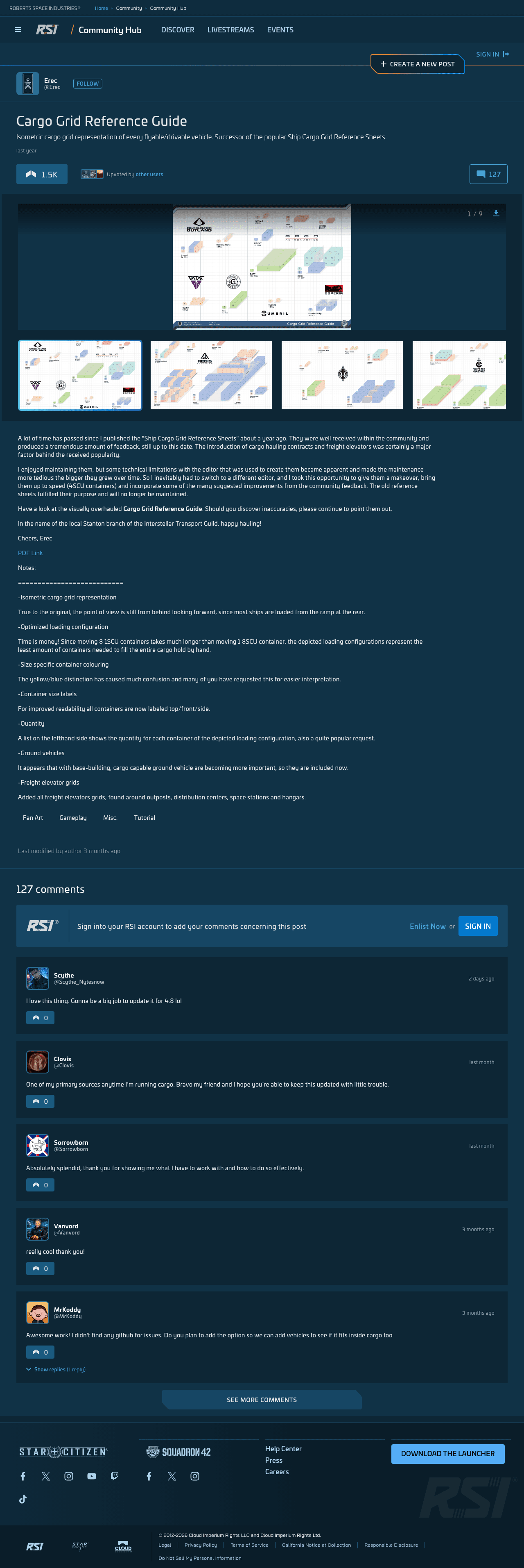
Hero image: a Community Hub cargo grid gallery capture. The point is not art. The point is knowing what fits before you start moving boxes.
What a cargo grid is
A ship’s usable cargo space, shown as a layout that helps you see what container sizes fit and where they sit.
Why beginners should care
Bad loading wastes time. Good loading keeps routes cleaner, makes unloading easier, and reduces the chance of blocking your own ship.
The beginner rule
Match the container to the ship instead of forcing the ship to fit the container.
Use the grid as a map, not a puzzle.
If you are just starting out, cargo work is easier when you stop improvising every load. Read the hold, choose the right container size, and leave a little breathing room for turns, exits, and mistakes. That simple habit is worth more than trying to squeeze every last box into the bay.
Ready to enlist?
Start on the official RSI site
This enlist link includes the referral code for new accounts so the official new-player bonus can attach during signup.
Enlist on RSIReferral disclosure: if you create an RSI account using this referral code, you receive the official new-player bonus, and this site owner may receive referral rewards.
Cargo work gets easier when you stop treating the hold like a mystery box. A cargo grid is just a readable map of what fits where. That sounds small, but it changes the whole session: fewer awkward lifts, fewer blocked exits, and fewer “why won’t this fit” moments.
This guide is for a new pilot who wants the simple version. You do not need to memorize every ship in the game. You only need to understand the pattern: read the hold, match the container, and avoid making your own loading route harder than it needs to be.
1. What a cargo grid actually tells you
The grid is the ship’s usable cargo space shown as a layout. It tells you what dimensions you can work with, where the floor area is, and how much of the hold is already doing something useful. If you know the grid, you stop guessing.
- It shows the cargo area in a way you can read quickly.
- It helps you match container size to the ship instead of improvising.
- It makes loading plans easier to repeat.
Think of it like parking lines in a tight garage. You can technically wing it, but the lines exist because the job is easier when you use them.
2. Start with the container size, not your optimism
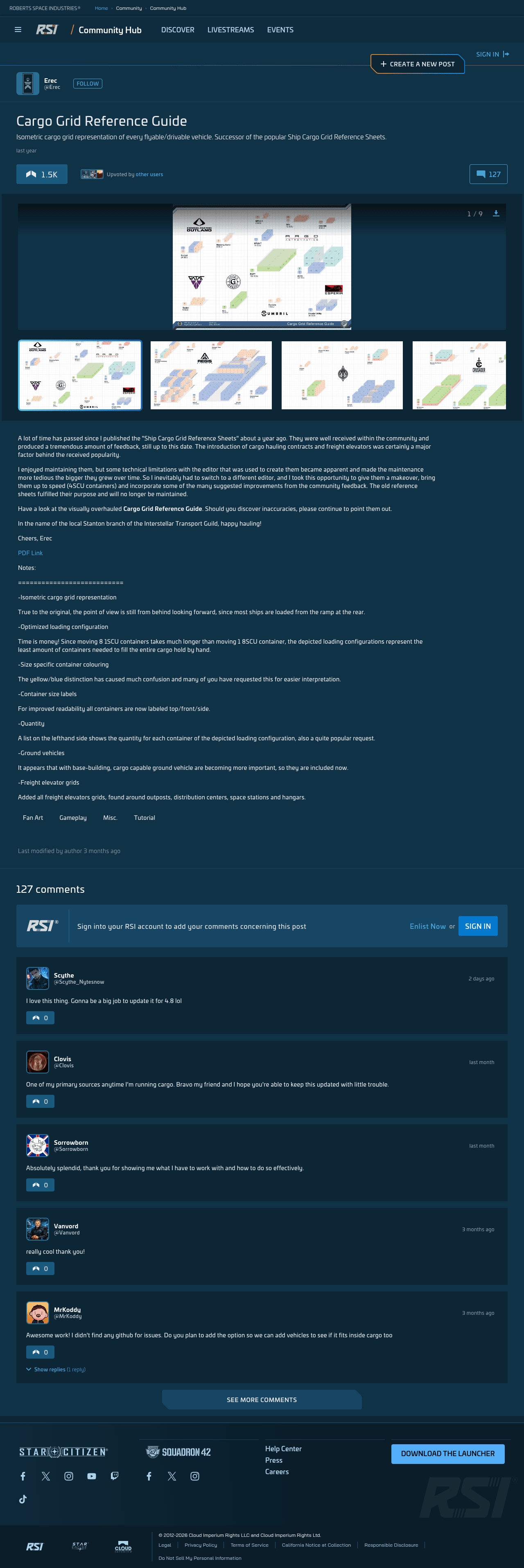
The fastest way to get annoyed is to start with the biggest box you own and hope the ship will forgive you. That is backwards. Start with the grid, read the space, and pick the container size that makes the route smooth.
| Good habit | Why it helps |
|---|---|
| Check the hold before you move the first box | You waste less time dragging containers you never should have picked up. |
| Leave room near exits and ramps | You can get back out without shuffling your own load at the end. |
| Use a repeatable pattern | Less decision fatigue, fewer mistakes, cleaner unloads. |
3. Load for the job you actually have
A beginner does not need to optimize every cubic meter. You just need a practical load that fits the current run. If you are hauling a few boxes, keep the layout simple. If you are doing a longer trip, plan for easier unloading later. The point is to finish the trip with your sanity intact.
- Short run: keep it loose and simple.
- Long run: prioritize easy access and obvious stacking.
- Busy landing area: leave extra space so you can move without colliding with your own cargo.
If a load plan looks clever but makes you crawl around the ship for five minutes, it is not a good beginner load plan. It is just a more annoying one.
4. Common mistakes that make cargo feel harder than it is
Most cargo frustration comes from the same few habits. They are easy to avoid once you know what to watch for.
- Trying to force a container that is clearly the wrong size.
- Blocking the ramp or exit because the stack looked neat in the moment.
- Loading before you know the route and then discovering the ship was a poor fit.
- Reinventing the pattern every time instead of keeping one that works.
If you do better on the second attempt than the first, that is normal. Cargo play rewards repetition. It is not supposed to feel like guesswork forever.
5. What a new pilot should do next
If this topic interests you, the next step is simple: use the grid guide as a planning tool before you buy or load anything expensive. Then pair it with a starter ship choice that matches the kind of hauling you actually want to do.
Once you can read the hold, the rest of the loop gets easier to understand. That is the real value here. You are not just learning where boxes go. You are learning how to make a ship do one job cleanly instead of many jobs badly.
Enter the referral code before you build your first hauling habit
If you are still creating the account, use the code during RSI signup, then come back once you have a ship and a route worth loading.
Go to official RSI siteReferral disclosure: if you create an RSI account using this referral code, you receive the official new-player bonus, and this site owner may receive referral rewards.
What this guide drew from
This guide uses the RSI Community Hub cargo-grid reference page as a topic source and visual reference, then rewrites the idea into a beginner-facing explanation. It is commentary and onboarding help, not a mirror of the original guide.
- RSI Community Hub — Cargo Grid Reference Guide
- Roberts Space Industries — official home and account entry point
Media credits
- Hero image: screenshot of the RSI Community Hub cargo grid reference guide by Erec.
- Supporting image: screenshot of the RSI Community Hub cargo grid reference guide by Erec.
- Images are used for editorial commentary and beginner onboarding context.
FAQ